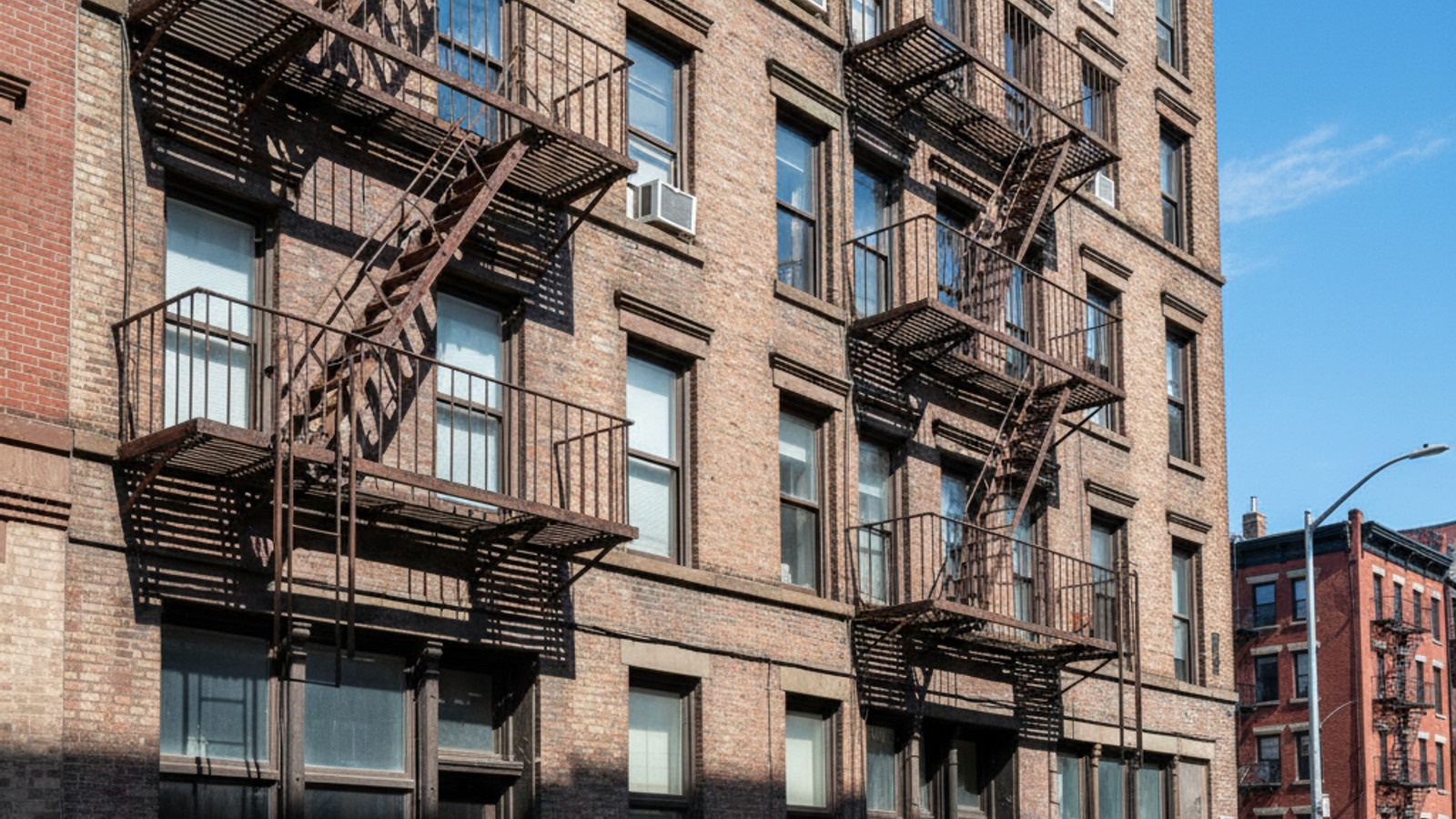
The Lower East Side is one of the most dynamic real estate markets in the world, offering everything from historic pre-war tenements and HDFC co-ops to glossy, glass-walled luxury condos. But selling a home here involves navigating a complex web of history and modern regulation. You aren't just selling four walls; you are often selling a piece of history, and with that comes a unique set of responsibilities.
For decades, New York operated largely under a "Caveat Emptor" or "Buyer Beware" mindset. However, the landscape shifted dramatically with the March 2024 update to the Property Condition Disclosure Act (PCDA). The state has moved toward stricter transparency, effectively ending the era where sellers could simply pay a small fee to avoid disclosing defects.
If you are planning on selling a home in NYC, specifically in the LES, you need to understand that the rules vary drastically depending on what type of property you own. A townhouse owner on East Broadway faces a completely different legal checklist than a co-op owner on Grand Street. Let’s break down exactly what you need to know to stay compliant and avoid post-closing lawsuits.
Does the PCDA Apply to You? Townhouses vs. Co-ops & Condos
This is the single most confusing aspect of New York disclosure law, so let's clear it up immediately. The state’s mandatory disclosure form does not apply to everyone equally.
Townhouses & 1-4 Family Homes: If you are selling a townhouse or a multi-family building (up to 4 units), the PCDA is mandatory. You are required by law to complete the Property Condition Disclosure Statement (PCDS). There is no way around this for standard residential real property sales in this category.
Co-ops & Condos: Here is the exception that covers most Lower East Side sellers. Under New York Real Property Law Section 462, "cooperative apartments" and "condominium units" are generally exempt from the requirement to fill out the PCDS.
Note: There is a technical nuance where condos in buildings with fewer than 4 units might be subject to the law, but given the density of the LES, this is rare.
However, being "exempt" from the form does not mean you have a license to hide defects. You are still liable for fraud if you actively conceal issues or lie about them. While you might not have to fill out the 56-question state form, the "due diligence" process for co-ops and condos is rigorous in its own way.
For Townhouse Sellers: Navigating the 2026 PCDS Updates
If you own a townhouse, the process has become much more rigorous as of 2026. In the past, sellers almost always opted to pay a $500 credit to the buyer at closing rather than filling out the disclosure form. This was the standard advice from nearly every real estate attorney.
That option is gone. As of March 20, 2024, the $500 credit was eliminated. You must now complete the PCDS, and if you fail to do so, you open yourself up to significant legal liability.
The updated form includes a heavy focus on environmental risks. You will see 7 new questions specifically targeting flood history and insurance. You must disclose:
Whether the property is in a FEMA-designated floodplain or floodway.
If the property has ever had a flood insurance claim filed.
Any history of water damage or natural flood issues.
Beyond flooding, you are required to disclose known material defects regarding the structural integrity and mechanical systems. In aging LES brownstones, this often means being honest about the condition of the roof, the foundation, and the HVAC systems. If you knowingly omit a defect and the buyer discovers it later, you could be on the hook for the actual cost of repairs.
Co-ops and Condos: The 'Due Diligence' Disclosure Process
Since co-op and condo owners usually don't fill out the PCDS, how do buyers know what they are getting into? The transparency here comes from a "documentation audit" rather than a seller questionnaire.
Buyers will rely heavily on the Offering Plan and the building's Board Minutes. The Board Minutes are particularly revealing. A savvy buyer's attorney will read the last two years of minutes to see if the board is discussing a new assessment for façade repairs, a history of bed bugs in the building, or noise complaints between units.
Additionally, the buyer's attorney will send a Managing Agent Questionnaire to your building’s management. This document asks pointed questions about the building’s reserve funds, impending capital improvements, and maintenance issues.
As the seller, your main job is to ensure that the representations you make in the contract of sale are accurate. If you state that the maintenance is $1,500 per month, but a fuel surcharge has just bumped it to $1,700, that discrepancy can kill a deal or lead to litigation.
Mandatory NYC Local Disclosures (Universal)
Regardless of whether you are selling a townhouse, co-op, or condo, there are specific New York City and Federal disclosures that apply to almost everyone. These are non-negotiable.
Lead Paint Disclosure: If your building was built before 1978 (which covers the vast majority of Lower East Side real estate), you must comply with federal and local lead paint laws. You must provide the buyer with the EPA pamphlet and disclose any known lead-based paint hazards in the home.
Bed Bug Disclosure: Under NYC Local Law 69, you must disclose the bed bug infestation history for your specific unit for the past 12 months. This is done via the DBB-N form.
Sprinkler Disclosure: A more recent addition to the paperwork pile is the requirement to disclose the existence and maintenance status of any indoor sprinkler systems.
Window Guards: While this is often addressed practically at closing or occupancy, you must be transparent about the presence of window guards, which are required in units where children under 10 reside.
Lower East Side Specific 'Red Flags' to Disclose
The Lower East Side has a unique building stock. Whether you are in a converted tenement or a pre-war loft, there are neighborhood-specific issues that often come up during inspections. Being upfront about these can prevent a deal from falling apart at the eleventh hour.
Pre-War Plumbing and Electrical: Many older buildings in the area still have remnants of galvanized plumbing, which can lead to low water pressure, or ungrounded electrical outlets. While you aren't expected to upgrade the whole apartment before selling, disclosing the condition of these systems manages expectations.
Unpermitted Renovations: This is very common in LES tenements where owners may have combined units or moved walls decades ago without filing with the Department of Buildings (DOB). If you removed a wall or installed a washer/dryer without a permit, this is a material fact. It is often better to disclose this early so the buyer’s attorney can decide how to handle it, rather than having it discovered during the title search.
Local Law 11 (Facade Safety): For buildings taller than six stories, the Facade Inspection and Safety Program (FISP) is a major financial factor. If your building has a "SWARMP" (Safe With a Repair and Maintenance Program) or "Unsafe" status, it usually means scaffolding and assessments are coming. Buyers will see the scaffolding outside; you need to be clear about the financial implications.
Noise and Commercial Overlays: The LES is famous for its nightlife. While noise isn't always considered a "defect," failing to mention that your second-floor unit sits directly above a popular bar can be problematic. Clarifying the soundproofing situation—or lack thereof—helps you find a buyer who accepts the vibrant energy of the neighborhood rather than one who expects suburban silence.
Frequently Asked Questions
Can I still pay the $500 credit to avoid filling out the disclosure form in NY?
No. As of March 2024, the option to pay a $500 credit in lieu of providing the Property Condition Disclosure Statement has been eliminated. If the law requires you to provide the form (mostly for townhouses and 1-4 family homes), you must complete it.
Do I have to disclose a death in the property in NYC?
Generally, no. New York law classifies a property as "stigmatized" if a death or felony occurred there, but sellers are not usually required to disclose this voluntarily. However, if a buyer asks you directly in writing, you cannot misrepresent the facts. Always check with your attorney regarding the latest statutes.
What happens if I don't know the answer to a question on the disclosure form?
If you genuinely do not know the answer, you should mark "Unknown" rather than guessing. Guessing "No" when the answer is actually "Yes" can be seen as a misrepresentation. However, "Unknown" should only be used when you truly lack the knowledge, not as a way to avoid stating a known defect.
Are co-ops in the Lower East Side exempt from the new flood disclosure rules?
Co-ops are exempt from the state's mandatory PCDS form, which contains the new flood questions. However, buyers will still perform due diligence by checking FEMA flood maps, especially given the neighborhood's proximity to the East River. While you don't fill out the form, flood risk remains a critical part of the buyer's investigation.