Manhattan real estate is constantly shifting, and the Lower East Side stands out as one of the most dynamic markets in the borough today. For buyers, sellers, and investors navigating transactions this year, getting an accurate property valuation lower east side ny requires looking beyond basic borough averages.
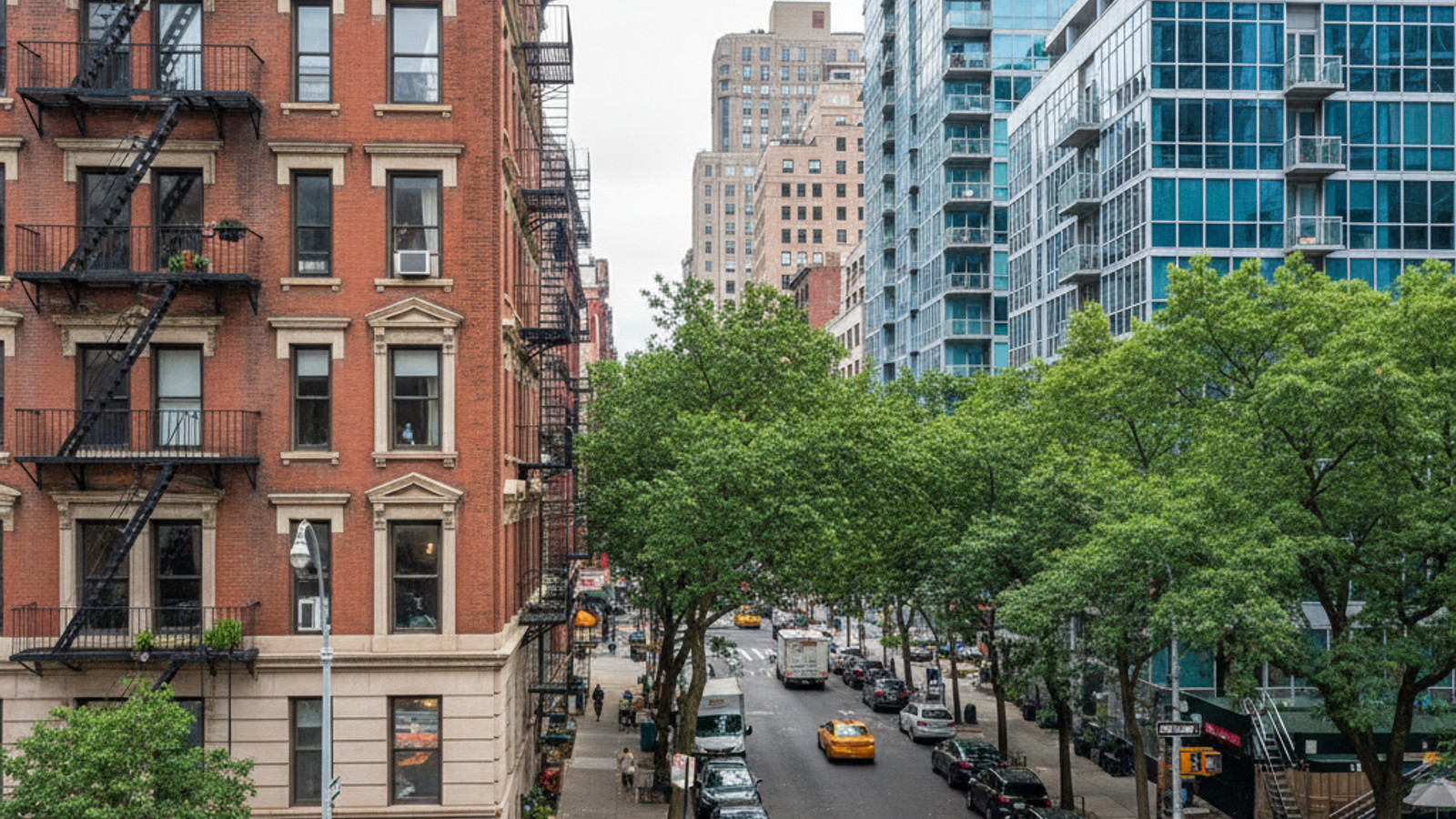
The local landscape features a complex mix of historic tenement walk-ups, mid-century co-ops, and ultra-modern luxury towers. This architectural variety means that pricing a home correctly depends heavily on hyper-local data and an understanding of the immediate block. Whether you are preparing to list a condo or negotiating a purchase, having a clear grasp of 2026 market metrics is essential.
Lower East Side NY Real Estate Market Trends in 2026
The current median home sale price in the area hovers between $1,300,000 and $1,400,000. This baseline figure provides a helpful starting point, but actual property values diverge sharply depending on the building type. Buyers entering the market today must adjust their expectations based on the specific asset class they are targeting.
Luxury condominiums command the highest premiums, with median prices currently sitting near $1,800,000. Conversely, historic co-ops offer a more accessible entry point, generally trading in the $500,000 to $815,000 range. The median price per square foot across the neighborhood reflects this split, spanning from approximately $1,433 to $1,592 based on building amenities and homeowner association structures.
A notable shift this year is the 11.7 percent year-over-year increase in available inventory. This growing supply gives buyers slightly more leverage during negotiations than they had during the tighter markets of previous years. My clear advice for sellers is to recognize this shift, as appraisers are strictly weighing current inventory levels when determining final market values.
Factors Affecting Property Valuation in Lower East Side NYC
Beyond basic square footage, municipal infrastructure and transit access directly influence appraisal values in this pocket of Manhattan. Proximity to the F, M, J, and Z subway lines dictates baseline commuter appeal, and properties located within a few blocks of these stations carry distinct pricing premiums. Commute times to major employment hubs like Midtown and the Financial District serve as core metrics for real estate appraisers determining market value.
Vehicle access also plays a complicated role in local property estimates. Buildings situated closer to the FDR Drive offer quicker outbound transit routes, but they often carry negative valuation adjustments due to increased highway noise. Appraisers must carefully balance these location factors alongside the vast differences between pre-war walk-ups and modern luxury towers with extensive amenities.
Neighborhood Amenities and Local Landmarks
Specific geographic features and public amenities add measurable premiums to property estimates. Real estate appraisers closely examine a building's walking distance to key neighborhood hubs when calculating comparable sales.
Walking distance to East River Park drives distinct waterfront property premiums.
Access to Seward Park adds measurable value to surrounding co-op buildings.
Proximity to Essex Market serves as a major commercial draw for modern condo developments.
The density of local healthcare facilities and public schools influences long-term residential stability and neighborhood data profiles.
These local features consistently support higher baseline pricing across the neighborhood. Buyers should expect to pay a distinct premium for units located within a two-block radius of these core amenities.
Historical Property Values in Lower East Side Manhattan
To understand current pricing, it helps to look at the neighborhood's significant appreciation since 2016. Over the past decade, the area transitioned from a predominantly value-driven market into a premium Manhattan destination. Appraisers carefully weigh this five-to-ten-year appreciation arc when analyzing comparable sales for current valuations.
Historic walk-ups have maintained a steady, reliable baseline appreciation throughout this period. Meanwhile, the introduction of new high-rise developments has rapidly accelerated the pricing ceilings for the entire NY zip code. Data from last year showed strong momentum, and that trajectory has largely stabilized as we move through 2026.
The recent inventory shifts provide a welcomed stabilizing effect compared to the volatile market spikes seen in previous years. For sellers, this means pricing strategies must be grounded in immediate comparable sales rather than relying on the rapid appreciation rates of the past decade. Buyers can proceed with more confidence knowing the current market reflects a balanced, sustainable valuation model.
Frequently Asked Questions
How much does a property appraisal in the Lower East Side cost?
A standard residential property appraisal in Manhattan typically costs between $600 and $1,200 in 2026. Complex properties, such as multi-unit historic townhouses or ultra-luxury condos, often fall on the higher end of that spectrum. The final fee depends heavily on the property size and the scope of work required by the lender.
What credit score is needed to buy or rent in the Lower East Side?
Prospective buyers generally need a credit score of 700 or higher to secure favorable mortgage rates and pass strict co-op board reviews. Renters face similar financial scrutiny, with most local landlords requiring a minimum score of 680 alongside income that equals 40 times the monthly rent. Meeting these baseline financial metrics is crucial for navigating this high-cost market.
When is the best time to buy or sell property in the Lower East Side?
The spring market, peaking around May, traditionally brings the highest volume of inventory and buyer demand to the neighborhood. However, the recent 11.7 percent increase in available properties means buyers can find strong options throughout the year. Sellers who list in early fall also capture a highly motivated pool of buyers looking to close before the new year.