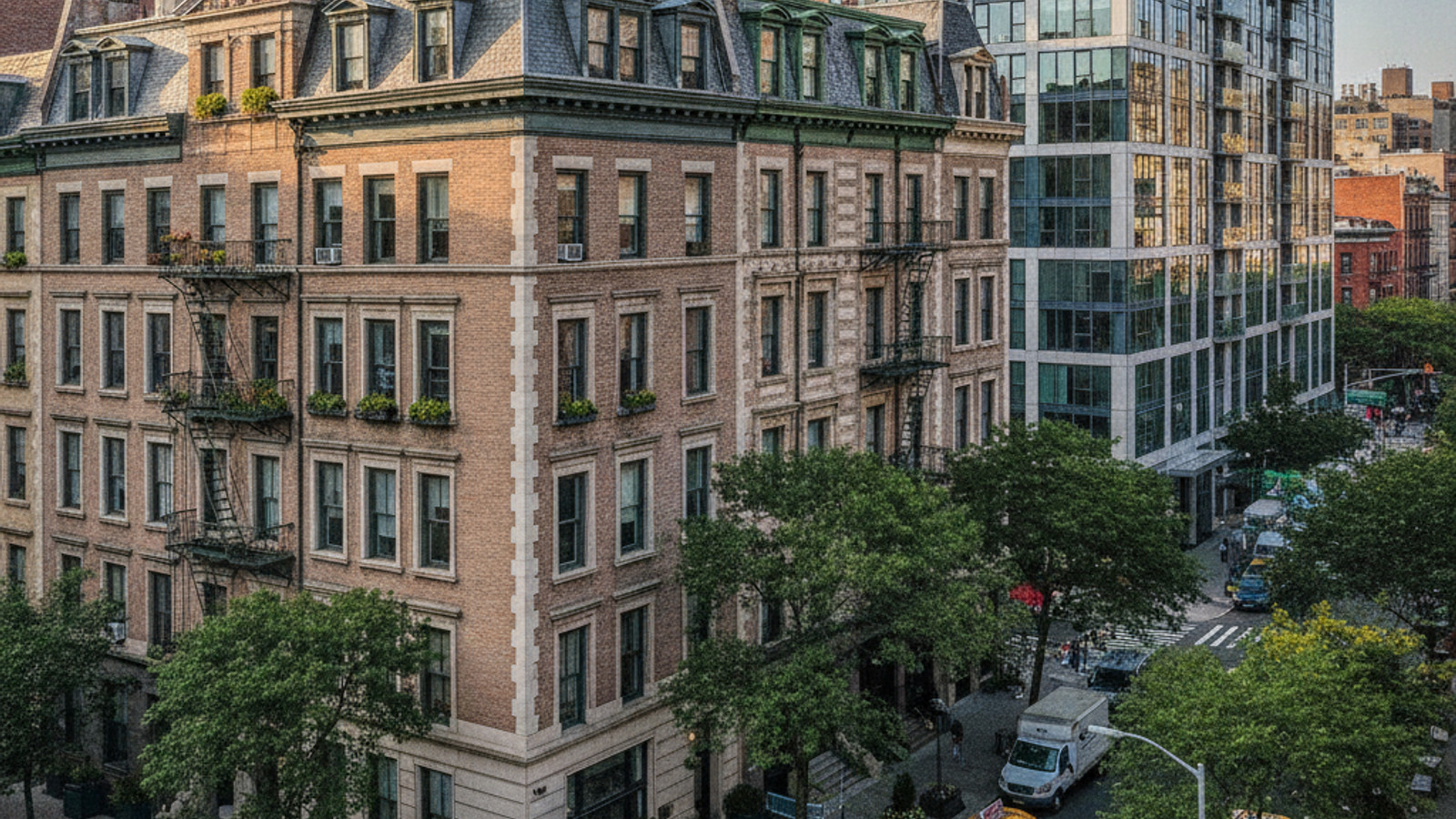
The Lower East Side of Manhattan offers a dense mix of historic architecture and modern development. Buyers looking at properties here often want to know what daily life looks like outside their front door before committing to a purchase.
Beyond the available condo inventory and classic walk-up buildings, the neighborhood delivers a wide range of amenities. Exploring the Things to Do in the Lower East Side helps you understand the local lifestyle and daily conveniences.
Dining and Culinary Landmarks
Food is a major draw for residents in this part of Manhattan. The neighborhood holds onto its immigrant roots through legacy food establishments that have operated for over a century.
Alongside these historical staples, new restaurant groups continue to open modern dining concepts. This blend means you can grab a quick bite at a traditional bakery or sit down for a multi-course meal within the same block.
Classic Delicatessens and Bakeries
Places like Katz’s Delicatessen and Russ & Daughters remain neighborhood fixtures. These spots draw visitors from all over the city, but locals know the best times to go to avoid the longest lines.
Having these institutions nearby provides a direct link to the area's past. Many buyers appreciate living within walking distance of these iconic New York, NY food landmarks.
Modern Restaurant Additions
The restaurant scene has expanded well beyond traditional fare. Recent years brought an influx of experimental dining and small-plate concepts to the area.
You will find a large concentration of these newer establishments along Clinton Street and Orchard Street. This density of options makes it easy to find a new favorite spot just minutes from home.
Local Art Galleries and Museums
The cultural landscape of the neighborhood provides plenty of weekend activities. The Tenement Museum offers guided tours that detail the living conditions of early immigrants who shaped the area.
Beyond historical exhibits, the contemporary art scene has expanded over the last decade. Dozens of small, independent galleries now operate on the ground floors of residential buildings.
Exploring the Independent Art Scene
Many galleries migrated to this area looking for space outside the traditional Chelsea market. These storefronts host rotating exhibitions featuring both emerging and established artists.
Browsing these spaces is a common weekend activity for locals. It adds a strong visual arts element to the neighborhood's overall appeal.
Live Entertainment and Music Venues
The area also maintains a strong reputation for live music and evening entertainment. Smaller venues host local bands, comedy shows, and independent theater productions throughout the week.
Residents benefit from having these entertainment options so close to home. It eliminates the need to travel to other boroughs or midtown for a night out.
Parks and Recreation Spaces
Finding green space in lower Manhattan requires knowing where to look. The neighborhood borders the East River, providing access to waterfront paths and recreation areas.
Seward Park sits at the center of the neighborhood and serves as a primary gathering space. It features sports courts, open seating, and a playground, making it a functional amenity for nearby residents.
East River Park Access
The ongoing waterfront redevelopment has improved access to the East River Park. This area offers running tracks, bike paths, and sports fields right along the water.
For buyers who prioritize outdoor exercise, proximity to this park is a major selling point. It provides a break from the dense urban grid.
Frequently Asked Questions
What are the most popular Things to Do in the Lower East Side?
Weekend itineraries often revolve around the Essex Market, an indoor facility housing dozens of local vendors under one roof. From there, residents can easily walk to the nearby Regal theater or catch an independent film at the Metrograph.
How does transit access impact the neighborhood?
The F, M, J, and Z subway lines serve the area, making commutes into Midtown or Brooklyn straightforward. Many residents also use the protected bike lanes along Allen Street for daily travel.
What types of homes are common here?
The housing inventory includes historic pre-war walk-up apartments and newly constructed luxury condominium buildings. Prices vary widely based on the building's age, square footage, and available amenities.