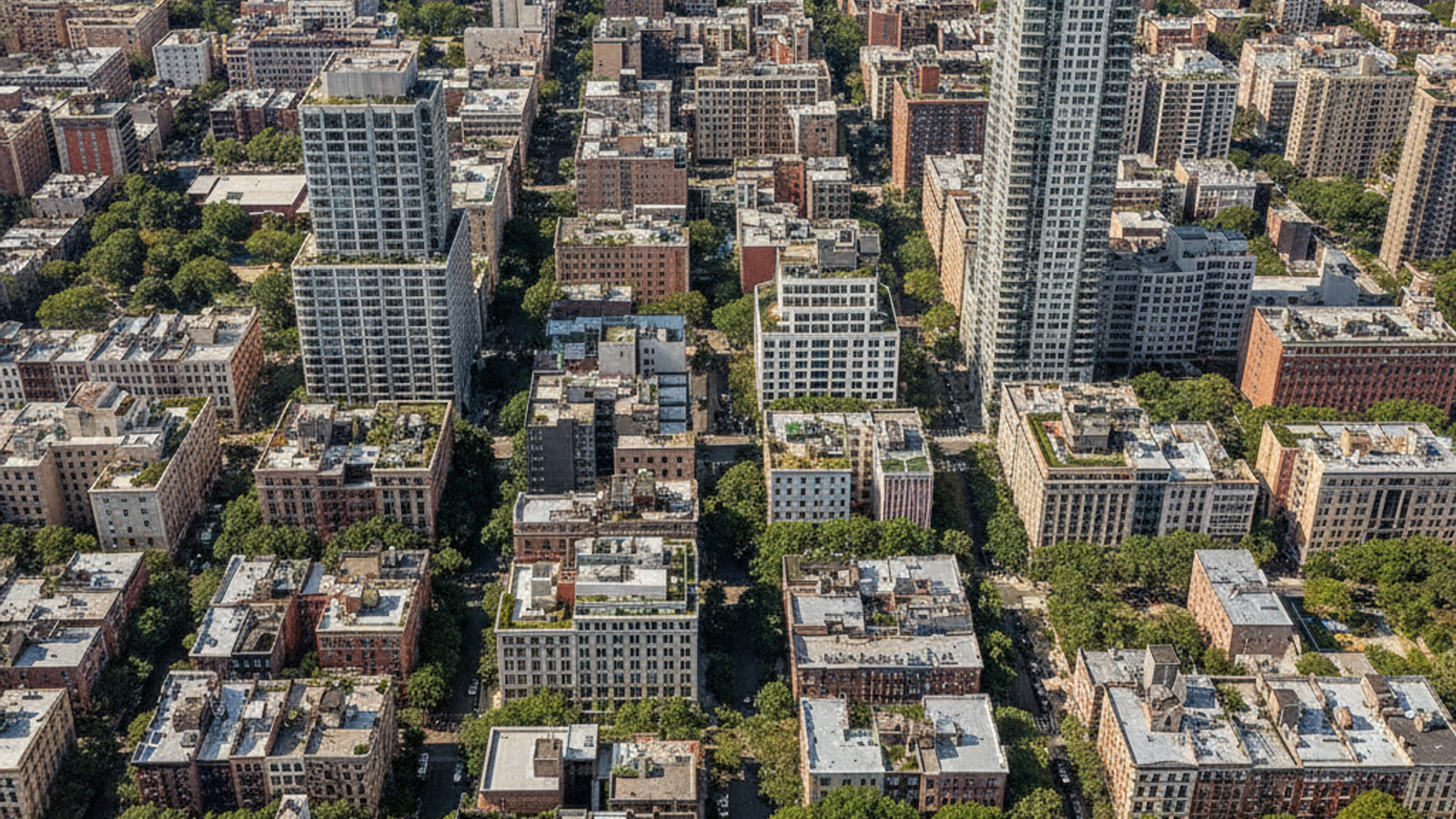
The median listing price in the Lower East Side Housing Market sits around $980,000 as of mid-2026. This slice of New York, NY offers a distinct mix of historic pre-war buildings and sleek new developments. Buyers looking here will find a neighborhood where housing options vary wildly from block to block.
Inventory levels have stabilized this year, giving buyers more room to evaluate their choices. Homes are spending an average of 79 to 85 days on the market before going under contract. Understanding the local property types and pricing tiers is the first step to making a smart purchase.
Property Types and Pricing Realities
Pricing in this neighborhood rarely tells the whole story at first glance. The Lower East Side Housing Market is split into two distinct lanes that cater to different budgets and lifestyles. You can find older, walk-up co-ops priced well below the borough's average, alongside high-rise condos that command premium prices.
Your budget and your willingness to deal with building rules will dictate where you focus your search. Older buildings often come with lower purchase prices but require buyers to pass board interviews. Newer buildings offer a more straightforward buying process but require a larger down payment.
Pre-War Co-ops and Walk-Ups
Many buyers start their search in the older tenement-style buildings that define the area's historic streets. These units frequently list between $450,000 and $750,000, offering an entry point into Manhattan ownership. Buyers should prepare for fifth-floor walk-ups and smaller floor plans.
Purchasing a co-op means you are buying shares in a corporation, not real property. Board approval is required, and these groups will scrutinize your financial history, employment, and debt-to-income ratio. Buyers should factor in monthly maintenance fees, which cover building upkeep and property taxes.
Luxury Condos and New Developments
Over the last few years, a wave of new development has reshaped the local skyline. These luxury condos often feature asking prices starting around $1.5 million and can easily exceed $2.5 million for units with river views. Floor-to-ceiling windows, doormen, and private fitness centers are standard in this tier.
Condominiums offer more flexibility than co-ops, particularly if you plan to rent the unit out in the future. The buying process is faster because there is rarely a formal board interview required. Buyers should review the building's common charges and any upcoming special assessments before making an offer.
Market Speed and Inventory Levels
There are typically around 130 to 180 active listings available at any given time in the Lower East Side Housing Market. This represents a balanced inventory level for 2026, meaning neither buyers nor sellers have total control. Properties priced correctly are still moving, but the bidding wars of previous years have cooled.
Sellers are showing more realism when setting their asking prices. Buyers have a window to negotiate on homes that have sat on the market for more than 60 days. Working with an agent who understands recent comparable sales will help you submit a competitive offer without overpaying.
Interest rates and broader economic factors continue to influence how quickly homes go under contract. Move-in ready units with updated kitchens and bathrooms sell the fastest. Homes needing total renovations often linger, providing an opportunity for buyers willing to take on a project.
Commuting and Daily Life
Transit access plays a large role in property values across the Lower East Side Housing Market. The neighborhood is served by the F, M, J, and Z subway lines, though some blocks require a longer walk to the nearest station. Commuters can typically reach Midtown or the Financial District in under 30 minutes.
Street parking is limited, so residents who own cars should budget for a monthly garage spot. Most daily errands can be accomplished on foot, with numerous grocery stores and retail shops lining the main avenues. The proximity to the East River Park provides access to running paths and outdoor recreation space.
Common Questions About the Area
What is the median home price here?
The median listing price hovers around $980,000 in 2026. This number blends the lower-priced co-ops with the multi-million dollar luxury condos. Your actual budget will depend entirely on which type of building you choose.
Are co-op board requirements hard to meet?
Co-op boards enforce financial standards that buyers must meet before moving in. You will need to provide years of tax returns, bank statements, and personal reference letters. Some buildings in New York, NY also require buyers to hold up to two years of maintenance fees in liquid reserves.
How long does it take to close on a home?
Closing on a condo usually takes 30 to 60 days once the contract is signed. Co-ops take longer, often 60 to 90 days, because the board must review your application and schedule an interview. Cash purchases can shorten this timeline by removing the mortgage underwriting process.