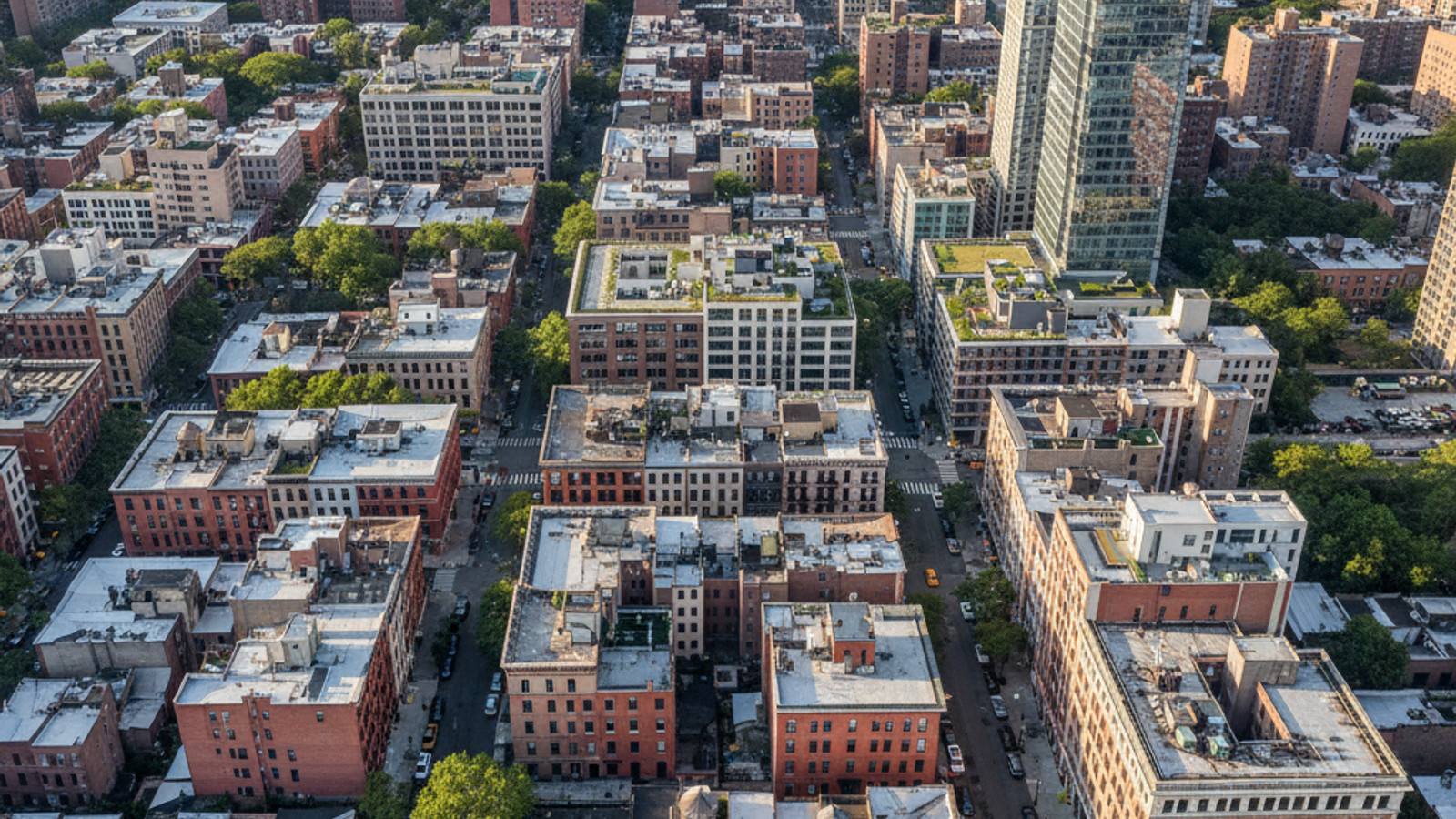
Manhattan's property landscape shifts constantly, and the area below Houston Street reflects some of the most distinct pricing changes this year. Buyers looking at Investing in Lower East Side, NY Real Estate are encountering a market defined by low inventory and specific zoning updates that alter what can be built.
The neighborhood offers a clear contrast to broader Manhattan averages, balancing century-old tenement structures with modern glass towers along the East River. Understanding the financial mechanics of this specific district requires looking past citywide data to focus on local cap rates, specific transit corridors, and the realities of co-op board requirements.
Current Home Values and Market Trends
Median asking prices in the neighborhood currently sit between $950,000 and $1,295,000 as of early 2026. This range offers a lower entry point compared to adjacent downtown districts like Tribeca or SoHo, where median prices routinely exceed $2.5 million.
Historical appreciation in this zip code has climbed steadily over the last decade, driven by the completion of large-scale commercial additions. Manhattan vacancy rates remain below 3%, keeping available listings scarce and pushing buyers to act quickly when appropriately priced units hit the market.
The sustained demand ensures that properties here hold their value even during broader regional market corrections. Buyers should review recent closed sales on specific blocks, as pricing varies sharply depending on proximity to the main avenues.
Rental Income Returns and Cap Rates
Average monthly rents in the neighborhood hover between $5,500 and $5,700 for standard one-bedroom and two-bedroom apartments. This steady rental demand supports consistent cash flow for property owners who lease out their units.
Manhattan condominium cap rates generally sit between 2% and 3%, reflecting the high initial purchase prices of the borough. Multi-family buildings in the district offer slightly higher yields, with cap rates ranging from 3.25% to 4.25%.
Investors purchasing older buildings need to account for rent-stabilized units within the property. These regulated apartments limit annual rent increases, which directly impacts the total return and long-term valuation of the building.
Inventory Available to Buyers
The architectural makeup of the neighborhood spans from historic walk-ups to new construction. Buyers will find a mix of ownership structures that dictate how a property can be used and leased.
Understanding the difference between these property types is a core part of Investing in Lower East Side, NY Real Estate. Each category carries distinct rules regarding financing, subletting, and renovations.
Pre-war walk-ups: Traditional tenement-style residential buildings make up a large portion of the inventory, often requiring higher maintenance budgets for aging systems.
HDFC co-ops: Housing Development Fund Corporation units offer lower purchase prices but enforce binding income caps for buyers and limit resale profits through flip taxes.
New mixed-use developments: Modern glass condominiums, such as those within the Essex Crossing project, provide in-building amenities and standard HOA structures without co-op board sublet restrictions.
Transit Access and Local Parks
Commuting out of the neighborhood relies primarily on the F, M, J, and Z subway lines. These routes connect residents directly to Midtown Manhattan and Brooklyn without requiring a transfer.
Highway access is concentrated along the eastern edge of the district via the FDR Drive. This provides a direct north-south route for drivers heading toward the outer boroughs or upstate New York.
Green space in the area includes Sara D. Roosevelt Park, which runs through the center of the neighborhood. Along the waterfront, East River Park offers running tracks, sports fields, and direct views of the Brooklyn skyline.
How 2026 Zoning Rules Impact New Development
The recent City of Yes zoning amendments enacted across New York, NY have altered development potential in Community District 3. These updates streamline the approval process for certain residential conversions and commercial upgrades.
The Universal Affordability Preference now allows for 20% more floor area ratio in medium and high-density zones. Developers can build larger structures if they include designated affordable housing units within the project.
The 2025 and 2026 Department of City Planning handbook updates outline exactly where these density bonuses apply. Buyers looking at multi-family investments should review these maps to see which adjacent lots might be targeted for future high-rise construction.
Closing Costs and Monthly Expenses
Purchasing property in Manhattan triggers several local and state taxes at the closing table. Buyers should prepare liquid funds well above the standard down payment to cover these immediate fees.
The New York State mansion tax applies to any residential purchase of $1,000,000 or more. This graduated tax starts at 1% and scales up to 3.9% for higher-priced luxury properties, adding a substantial upfront cost to the transaction.
Monthly carrying costs vary widely depending on the building's legal structure. Co-op maintenance fees typically include the unit's share of the building's property tax, while condo owners pay a separate HOA fee alongside an individual property tax bill from the city.
Frequently Asked Questions
Are HDFC co-ops on the Lower East Side a solid investment option?
HDFC co-ops are designed for primary residence rather than traditional investment portfolios. Buyers must meet binding income caps to purchase, and heavy flip taxes limit the profit you can take away when selling. You should only consider these units if you plan to live in the apartment long-term.
How does the Lower East Side real estate market compare to other NYC neighborhoods?
The median asking price of roughly $1.1 million sits well below the multi-million dollar averages found in nearby SoHo or the West Village. Inventory here consists mostly of older co-ops rather than new condos. This provides a lower barrier to entry but often requires more cash on hand for renovations.
What are the financial requirements and closing costs for buying real estate in the Lower East Side?
Buyers need to budget for the standard mortgage recording tax, title insurance, and legal fees. If your purchase exceeds $1,000,000, the state mansion tax will add at least $10,000 to your closing sheet. Co-op boards may also require you to show one to two years of post-closing liquid reserves.