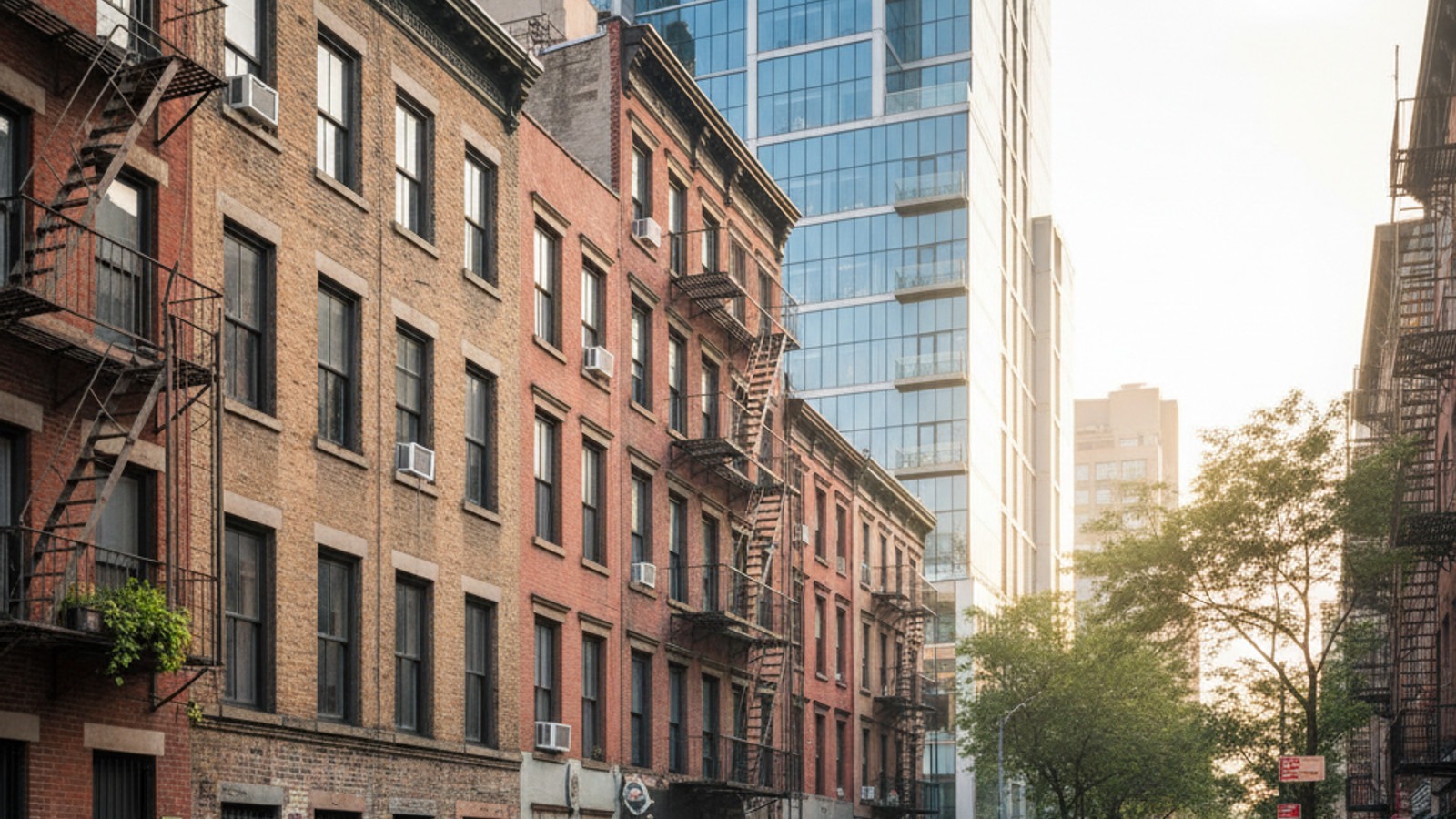
There is a specific allure to the Lower East Side that you just don't find anywhere else in Manhattan. It’s that intersection of grit and high-end luxury, where century-old brick meets modern steel. If you’re looking to build here, you likely aren’t interested in a cookie-cutter glass box; you want something with soul, history, and a distinct architectural voice.
But let’s have a real conversation about what "building" actually means in this zip code. In the suburbs, building a custom home means buying a plot of land and pouring a foundation. In the LES, it’s a completely different beast. You aren't just navigating a construction site; you’re navigating a dense urban grid, complex zoning laws like R7A and R8A, and the realities of 100-year-old infrastructure.
Most "new" single-family masterpieces here aren't ground-up construction—they are radical reinventions of existing structures. Whether you are eyeing a townhouse conversion on Ludlow or a rooftop addition on Orchard, this process requires patience, capital, and a very good team. Here is what you need to know before you sign that contract.
The Scarcity Reality: Vacant Lots vs. Gut Renovations
The first question I usually get is, "Can you find me a vacant lot?" The short answer is: probably not. And if we do, the price for just the dirt will likely make the project unfeasible for a single-family end user.
In the Lower East Side, vacant land is the "unicorn" of real estate. When a lot does appear, it is usually priced for a developer planning a 15-story condo building, often exceeding $500 per buildable square foot just for the land. For a private homeowner, the math rarely works.
Instead, the smart money is on Townhouse and Tenement Conversions. This is the most common path to a custom mansion in the area. You buy an existing multi-family tenement—often a narrow, deep building—and gut it entirely. You keep the shell, reinforce the structure, and build your dream home inside.
If you aren't ready to manage a full building, look at Vertical Additions. This involves buying a top-floor unit in a building that has unused air rights (FAR) and constructing a new penthouse level on top. Alternatively, many buyers opt for White Box Condos in new developments. This allows you to buy a raw shell (concrete floors, no walls) and customize the layout from scratch without worrying about the building's exterior envelope.
Navigating LES Zoning: R7A, R8A, and Historic Districts
Zoning in New York City is a language of its own, and the LES has very specific dialects. You can't just build whatever you want; you have to build what the block allows.
Most of the Lower East Side falls under Contextual Zoning, specifically R7A and R8A districts.
R7A generally caps building height at around 80 feet.
R8A allows you to go up to roughly 120 feet.
The key word here is "Contextual." These rules are designed to keep the neighborhood looking cohesive. They enforce "Street Walls," meaning your building’s front façade must align with your neighbors. You generally cannot build a structure that sets way back from the sidewalk to create a front garden, nor can you easily build a glass tower in a row of masonry buildings.
You also need to check the Historic Districts. While the famous "East Village/Lower East Side Historic District" is primarily north of Houston, there are landmarked pockets and individual buildings south of Delancey. If your property falls under the jurisdiction of the Landmarks Preservation Commission (LPC), you cannot change a doorknob on the exterior without their approval. This includes window styles, cornice repairs, and façade colors.
Finally, if you plan on adding height, you might need to navigate Zoning Lot Mergers. This is the technical term for buying air rights from a neighbor. It’s a great way to gain square footage, but it requires legal cooperation between two separate properties.
Cost Analysis: The Price of Building in Manhattan (2026)
Let’s talk numbers. If you are reading national averages about building costs, throw them out. They do not apply here.
Hard Costs for luxury custom work in the Lower East Side typically range from $600 to $1,000+ per square foot. If you are doing high-end millwork, imported stone, or complex steel framing, you will be at the top of that range.
Why so high? You are paying the "Manhattan Premium." This covers the logistics of working in a city that never sleeps. Contractors have to deal with union labor rates, impossible parking, and sites with zero storage space. Every 2x4 and bag of cement has to be brought in by hand or hoist, often through a narrow stairwell.
Don't forget the Soft Costs. You need to budget an additional 20-25% of your total budget for your team: the architect, structural engineer, expeditor, and attorney.
Lastly, factor in Carrying Costs. A major renovation can take 18 to 24 months. During that time, you are paying property taxes, insurance, and perhaps a mortgage on a home you cannot live in yet. For a 2,500 square foot custom home, the total project cost often exceeds $3M to $5M, not including the purchase price of the property.
The Logistical Nightmares of Lower East Side Construction
The charm of the LES—those narrow, bustling streets like Broome or Orchard—is exactly what makes construction a headache.
Logistics here are a game of inches. Because there is no driveway or front lawn to drop a dumpster, you are reliant on Just-in-Time Deliveries. Materials arrive and must be moved inside immediately. If a delivery truck gets stuck in traffic on the Williamsburg Bridge, your whole crew might be standing around billing you for downtime.
Structurally, you are likely dealing with Party Walls. Most buildings in the LES share structural walls with the buildings next door. You cannot simply knock down a wall; you have to ensure you don't destabilize the neighbor's house. This often requires Underpinning (strengthening the foundation) and extensive shoring.
Before you start, you will need Neighbor Access Agreements. You legally need permission to put scaffolding on a neighbor's property or to access their roof for protection. If a neighbor decides to be difficult, they can delay your project for months.
And then there is the noise. NYC construction codes are strict (typically 7 AM to 6 PM on weekdays), and with the residential density of the LES, neighbors are quick to file 311 complaints if you work a minute past curfew.
The Timeline: From Feasibility to Move-In
If you are looking for a quick flip, this isn't it. A custom build in the LES is a marathon.
Phase 1: Feasibility & Acquisition (2-4 Months): This is where we run the zoning analysis and structural surveys to see if the project is even legal.
Phase 2: Design & Permitting (4-8 Months): Getting drawings done is the easy part. Getting DOB permits takes time. If you need LPC approval, add another 2-3 months to this phase.
Phase 3: Construction (12-18 Months): This covers demolition, structural steel work, and the high-end interior fit-out.
Total Commitment: You should realistically expect a 2+ year timeline from the day you make an offer to the day you move in.
Design Strategies for Narrow Lots and Tenements
Because you are likely working with a long, narrow tenement footprint (sometimes only 20-25 feet wide), your design needs to be clever to maximize livability.
Light Wells and Skylights are your best friends. In a building that is 60 feet deep with windows only at the front and back, the middle can feel like a cave. Cutting a central atrium or installing massive skylights can flood the core of the home with natural light.
To modernize the layout, you will often need Steel Framing. Old tenements are full of load-bearing walls that chop up the space. Replacing these with steel beams allows for those sweeping, open-concept living and dining areas that modern buyers demand.
Given the vibrant nightlife in the LES, Acoustic Isolation is not optional. You need triple-pane windows and soundproofing layers in the walls to ensure your sanctuary remains quiet when the streets outside are loud.
Finally, the roof is the most valuable square footage you have. A finished Roof Deck creates private outdoor space—a rare luxury in this neighborhood—and significantly increases the property's resale value.
Frequently Asked Questions
Can I buy a vacant lot in the Lower East Side?
It is extremely rare to find a true vacant lot for a single-family build. Most "custom builds" in the area are actually gut renovations of existing tenements, townhouses, or commercial buildings.
How much does it cost to build a house in Manhattan in 2026?
For luxury custom residential work, you should budget between $600 and $1,000+ per square foot for hard costs. This does not include the purchase price of the property or soft costs like architectural and legal fees.
Do I need Landmarks approval in the Lower East Side?
You only need Landmarks Preservation Commission (LPC) approval if your property is located within a designated historic district or is an individual landmark. You should check the LPC map, as most districts are north of Houston, but specific blocks south of Delancey are protected.
What is an R7A zoning district?
R7A is a "contextual zoning" district common in the LES that limits building height to approximately 80 feet. It also requires new buildings to maintain the "street wall," meaning the front of the building must align with the neighboring structures.